Dirt to Development: The Impact of Digging Contractors in Canada
Excavation is a crucial initial step in the building process, preparing the stage for everything that follows. In Ontario, excavation professionals play a key role in transforming earth into development. From residential builds to business projects, the skills of these contractors ensures that locations are readied properly and securely. With distinct issues such as the frost line and the management of dense soil, comprehending the local landscape is essential for any effective excavation task.
Managing the intricacies of excavation in Ontario requires not only expertise of the land but also adherence to regulations and safety protocols. Contractors must be proficient in all aspects from Ontario One Call services that protect subsurface utilities to excavation safety guidelines outlined by the government. Whether it's getting ready a plot for a new residence, overseeing a drainage system for farmland, or executing an urban excavation in constrained spaces, the proficiency and effectiveness of excavation contractors are integral to advancing the province's development agenda.
Digging Fundamentals in Ontario
Excavation is a vital first stage in any construction project in Canada’s Ontario, whether it be domestic, business, or agricultural. Understanding Excavating Contractors is significantly important, as it affects the stability of building bases. Ontario's climate leads to significant soil freezing in winter, necessitating correct foundation excavation techniques to ensure that structures remain stable throughout the year. Contractors need to consult the Complete Guide to Ontario Frost Line Depths and Foundation Excavation to make wise decisions and comply with local guidelines.
Another key aspect of excavation in Ontario is site readiness. Before beginning any excavation work, having an Necessary Site Preparation Checklist for New Home Builds ensures that all requirements are addressed. This includes checking for zoning laws, obtaining required permits, and ensuring that sufficient safety measures are in place. One Call Ontario plays a critical role in this process by helping excavators avoid damaging underground utilities, providing crucial information before excavation begins.
Safety rules are also crucial in excavation projects. The Ministry of Labour in Ontario outlines detailed regulations for safe trenching and bracing methods, which must be adhered to in order to safeguard workers and prevent accidents. Adhering to these regulations can be difficult, but it is crucial for ensuring a secure work environment. Appropriate training, equipment, and adherence to safety protocols not only safeguard personnel but also promote the project's smooth execution.
Security and Regulations in Excavation Work
When it comes to excavation in Ontario, security is paramount. Contractors must adhere to strict regulations set forth by the Labor Ministry of Ontario to guarantee the health and safety of their employees. This includes implementing proper trenching safety protocols and shoring techniques to prevent cave-ins, which are among the leading causes of excavation-related injuries. They are obligated to provide instruction to their teams and equip them with the necessary protective gear to mitigate risks associated with worksites.
Another crucial aspect of excavation safety is compliance with various local regulations, including those related to tree protection zones. Safeguarding these areas is important not only for environmental conservation but also to comply with local ordinances. Excavation contractors must be knowledgeable about and secure the proper licenses from local conservation authorities before starting projects that may impact natural habitats. This ensures that the activities of excavation do not harm community resources or lead to legal issues.
In addition to adhering to safety standards, contractors in Ontario must also focus on managing the conditions of soil and water, particularly in areas where the water table is elevated. Methods such as removing excess water and effective control of erosion are essential for maintaining site integrity and preventing dangerous situations. By Excavation Services to these regulations and safety guidelines, contractors involved in excavation can contribute to not only their safety but also the successful completion of construction projects while minimizing environmental effects.
Pricing and Ecological Considerations
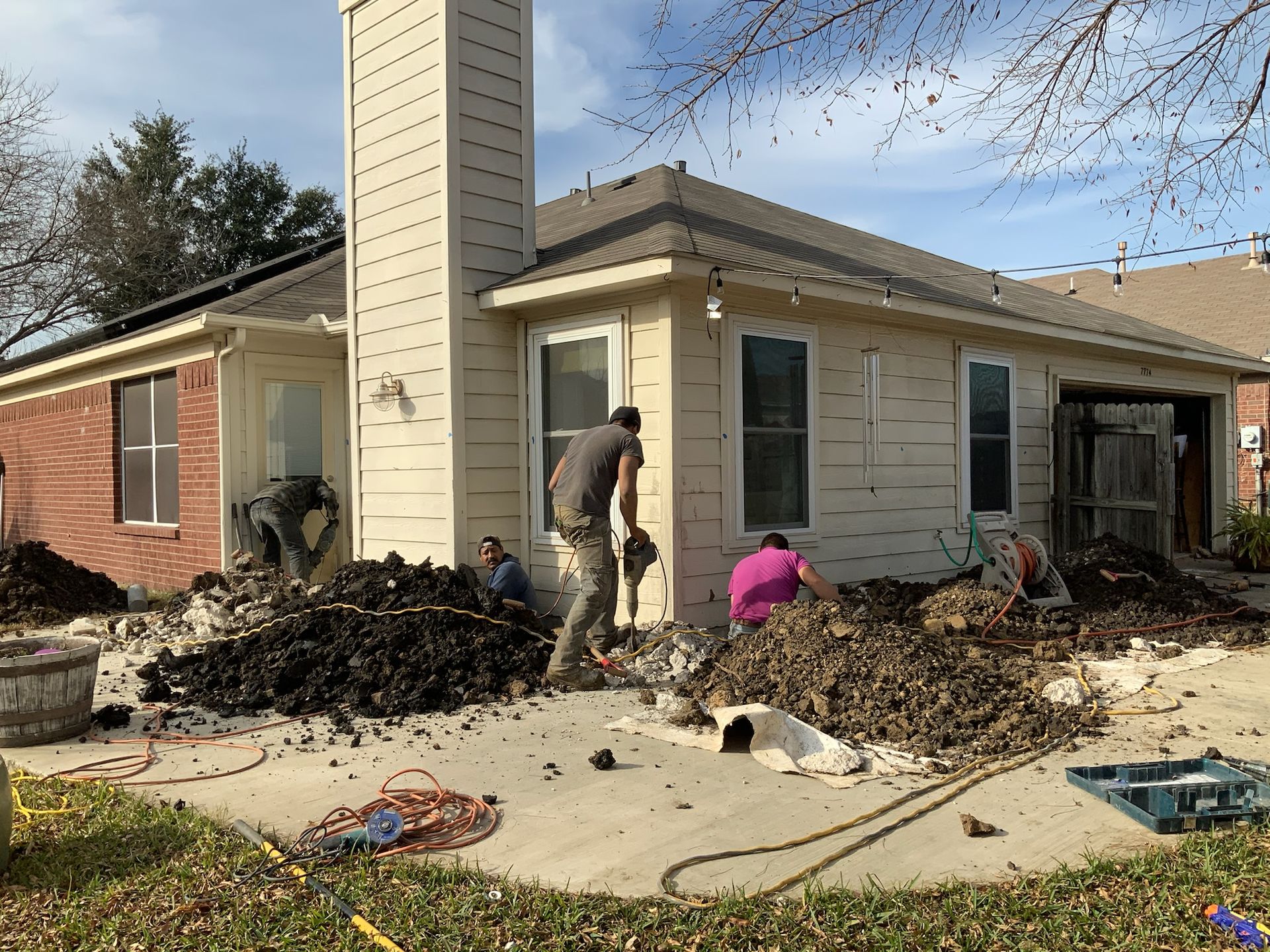
The costs associated with excavation projects in Ontario can vary significantly based on various factors such as location of the site, soil quality, and the scale of the project. Key factors that typically impact excavation costs across Southern Ontario include wage rates, equipment hire, and transporting materials. Contractors must also consider the cost of ground preparation and complying with local regulations. A comprehensive understanding of these elements helps clients budget effectively while ensuring compliance with industry standards.
Ecological considerations play a crucial role in excavation projects. Excavation contractors in Ontario must manage various regulations regarding the management of soil, especially when dealing with surplus soil or polluted sites. Understanding Ontario’s Excess Soil Management Rules is important to avoid fines and ensure correct disposal or reuse of soil. Additionally, practices like erosion and sediment control are important to minimize the impact on the environment of excavation projects, aligning with local conservation authority standards.
Integrating sustainability in excavation is more than a regulatory requirement but also a market expectation. By prioritizing environmentally friendly practices such as remediating brownfields and proper lot grading, contractors can enhance the long-term viability of construction projects while contributing to the health of the community. Moreover, Commercial Excavation should be prepared to handle public concerns about noise pollution, dust, and pollution of water during excavation activities, thus fostering positive relationships with local community members.